The Benefits of the ABPM Examination for Accurate Blood Pressure Analysis
Ambulatory Blood Pressure Monitoring (ABPM) provides an innovative method to assessing blood pressure. This approach offers constant, 24-hour data, recording changes that happen during everyday activities and rest. Such in-depth monitoring not just enhances accuracy but additionally discloses crucial patterns, helping to compare real high blood pressure and conditions like white-coat syndrome. Recognizing these nuances can cause extra reliable treatment methods. What implications might this have for client care and monitoring?
What Is Ambulatory Blood Pressure Monitoring (ABPM)?
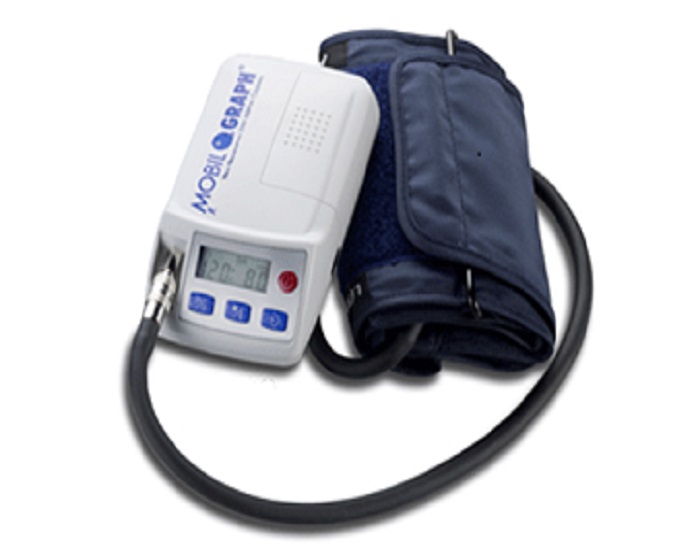
Ambulatory Blood Pressure Monitoring (ABPM) is a method that enables for constant high blood pressure assessment over a 24-hour period, offering a comprehensive photo of an individual's high blood pressure changes. ABPM test in Bangalore. This technique makes use of a mobile device that instantly determines blood stress at routine periods throughout the night and day. As people go about their day-to-day activities, the tool captures information mirroring their blood stress variations during different times and conditions, including rest and physical exertion.ABPM is particularly valuable for identifying problems such as high blood pressure, as it can compare real hypertension and white-coat syndrome, where patients exhibit raised analyses in clinical setups however not in their day-to-day lives. By supplying a comprehensive sight of high blood pressure changes, ABPM aids medical care providers in making educated decisions relating to diagnosis and treatment. It boosts the understanding of blood stress patterns, allowing individualized management strategies for people.
Constant Monitoring for Improved Precision
Continual monitoring of high blood pressure via ABPM substantially enhances the accuracy of analyses contrasted to standard techniques. This technique allows for high blood pressure measurements at normal intervals throughout the day and evening, catching fluctuations that might occur as a result of daily tasks, stress, or various other factors. Unlike single analyses taken during a facility browse through, ABPM offers a thorough account of a patient's high blood pressure over a 24-hour period.This constant assessment brings about a lot more reliable data, making it possible for doctor to determine patterns and possible concerns that might go unnoticed with erratic dimensions. It also assists compare true high blood pressure and white-coat disorder, where clients exhibit raised readings due to anxiety in a medical setting. By leveraging the benefits of constant monitoring, ABPM considerably enhances medical diagnosis and treatment approaches, inevitably adding to far better individual outcomes and more individualized medical care techniques.
Recognizing Blood Pressure Irregularity
Blood pressure variability refers to the variations in high blood pressure readings that can happen with time due to different factors, consisting of exercise, stress, and circadian rhythms. This irregularity is significant as it gives understandings right into an individual's cardio health and wellness. ABPM test in Bangalore. As an example, elements such as workout can momentarily enhance blood stress, while relaxation may lead to a decrease. Furthermore, the body's natural rhythms can create high blood pressure to vary throughout the day, typically being lower in the evening and higher during waking hours. High degrees of irregularity have been related to raised risks of cardio occasions, making it necessary for medical care professionals to check these variations. Comprehending blood stress irregularity assists in tailoring treatment plans and assessing general health and wellness. Precise appraisal with methods like Ambulatory Blood Pressure Monitoring (ABPM) can capture these variations, allowing for an extra complete examination of a person's high blood pressure profile
Recognizing White Coat High Blood Pressure
White coat high blood pressure, frequently referred to as white coat disorder, is characterized by elevated blood stress analyses in clinical setups as a result of stress and anxiety or tension. Recognizing its symptoms and signs is vital for exact medical diagnosis, as misconception can lead to unnecessary therapies. Recognizing this phenomenon is vital for efficient blood stress administration and individual care.
Recognizing White Coat Syndrome
Although lots of patients exhibit elevated high blood pressure analyses in medical settings, this phenomenon, called white coat high blood pressure, can obscure truth state of their cardiovascular health and wellness. This problem happens when individuals experience anxiety or stress and anxiety throughout medical gos to, bring about temporary spikes in blood stress. Because of this, doctor might misunderstand these analyses as indicative of hypertension. White layer disorder highlights the relevance of exact blood stress analysis, as depending solely on in-office measurements can lead to unneeded treatments or false impressions concerning a patient's health. Understanding this disorder is necessary for medical professionals, as it emphasizes the need for alternate monitoring methods, such as ambulatory blood pressure monitoring (ABPM), to acquire an extra accurate depiction of a person's high blood pressure degrees.
Signs and Indicators
Several people may experience particular signs that suggest the existence of white coat hypertension. These signs can consist of raised high blood pressure readings throughout clinical brows through, gone along with by sensations of stress and anxiety or nervousness in a professional environment. People often report a fast heartbeat or sweating when communicating with healthcare experts, which may exacerbate their blood stress levels. In addition, some individuals might see a disparity between their in-office high blood pressure readings and those taken in your home, where they feel a lot more relaxed. Recognizing these signs is vital, as they can indicate that anxiety or stress and anxiety pertaining to clinical settings is affecting their high blood pressure. Comprehending these signs can aid in recognizing white coat high blood pressure and figuring out the requirement for additional evaluation.
Value of Accurate Medical Diagnosis
Properly diagnosing white layer hypertension is vital for efficient blood pressure monitoring. This problem takes place when a person displays elevated high blood pressure readings in a clinical setup due to stress and anxiety or stress and anxiety, while normal analyses are tape-recorded in a much more loosened up atmosphere. Misdiagnosis can result in unneeded treatment, exposing clients to prospective medicine side effects with no actual health benefit. Making use of ambulatory blood pressure monitoring (ABPM) is essential in differentiating real hypertension from white coat syndrome. ABPM supplies continual blood pressure dimensions over 24 hours, permitting for an extensive analysis that can aid medical care carriers make notified choices. Ultimately, precise recognition of white layer hypertension guarantees clients receive ideal treatment and stays clear of the challenges of mismanagement.
Assessing Nocturnal Blood Pressure Patterns
Examining nighttime blood stress patterns is essential for recognizing a person's overall cardio wellness. Nighttime dimensions can disclose substantial variations in high blood pressure, which might suggest high blood important source pressure variability. In addition, these patterns are very closely correlated with heart health, highlighting the relevance of constant monitoring beyond common office visits.
Significance of Evening Measurements

Nighttime high blood pressure measurements are frequently crucial for understanding an individual's overall cardiovascular wellness. These readings give vital insights into exactly how blood pressure acts throughout rest, which can differ noticeably from daytime levels. Monitoring nighttime blood pressure enables for the identification of irregular patterns, such as non-dipping or reverse-dipping sensations, which might show an enhanced risk for cardio events. On top of that, nighttime assessments can help evaluate the performance of antihypertensive treatments, ensuring that medicines are suitably handled. By capturing high blood pressure modifications during the evening, healthcare specialists can create extra individualized therapy strategies, ultimately improving client end results and decreasing the possibility of long-lasting issues connected with high blood pressure. This highlights the significance of detailed blood stress examination throughout the day and night.
Identifying Hypertension Irregularity
Exactly how can the irregularity of nighttime high blood pressure patterns notify high blood pressure administration? The evaluation of nighttime blood stress via the Ambulatory Blood Pressure Monitoring (ABPM) test reveals essential fluctuations that commonly go undetected in standard measurements. These patterns can suggest the Web Site visibility of "non-dipping" hypertension, where high blood pressure fails to drop during rest, suggesting a boosted cardiovascular risk. By identifying such irregularity, doctor can tailor treatments more properly, changing therapy plans based on the client's certain nocturnal blood pressure actions. Recognizing these patterns additionally aids in assessing the efficacy of antihypertensive medicines, making sure that people achieve optimal high blood pressure control throughout the day and evening. As a result, nocturnal analysis becomes important in extensive hypertension administration.
Connection With Heart Wellness
Comprehending nocturnal blood pressure patterns not just help in hypertension administration but also has considerable ramifications for heart health. Research shows that unusual nighttime blood pressure analyses, such as non-dipping or reverse dipping patterns, are related to enhanced cardio dangers. Throughout rest, blood stress typically decreases, a phenomenon essential for cardio recovery. When this decrease is missing, it may signify underlying concerns such as autonomic dysfunction or enhanced arterial rigidity. Additionally, people with elevated nighttime blood pressure go to an increased threat for heart strike and stroke. As a result, utilizing ambulatory blood pressure monitoring (ABPM) to assess these nighttime patterns can supply necessary insights, enabling customized treatments that better safeguard heart health and wellness and enhance general individual outcomes.
Tailoring Treatment Plans Based on Real-Life Information
Customizing therapy strategies based upon real-life information involves leveraging constant blood pressure keeping an eye on to produce individualized healthcare methods. The Ambulatory Blood Pressure Monitoring (ABPM) test offers a comprehensive account of an individual's blood stress variations throughout daily tasks. This thorough data allows doctor to identify patterns that could be neglected in conventional office visits.By assessing fluctuations in blood pressure throughout various times and problems, medical professionals can change drugs, does, and lifestyle referrals to better suit private person requirements. This individualized technique not just enhances the efficiency of treatment strategies however additionally reduces the probability of adverse responses to medications.Furthermore, real-life data can reveal possible triggers for hypertension, bring about positive treatments. Overall, customizing treatment based on constant monitoring cultivates a much more efficient, patient-centered technique to managing high blood pressure and improving lasting health and wellness outcomes.
Improved Individual Compliance and Involvement
While typical monitoring methods may limit patient involvement, making use of Ambulatory Blood Stress Monitoring (ABPM) substantially enhances patient compliance and engagement in their very own health care. By allowing patients to wear a mobile device that records blood stress over 24 hr, ABPM empowers individuals to take an energetic role in their health and wellness monitoring. This constant monitoring supplies an extra extensive view of high blood pressure changes, encouraging patients to understand their problem better.Moreover, ABPM cultivates an atmosphere where clients can review their analyses with doctor more meaningfully, causing informed decision-making. People become a lot more spent in adhering to suggested therapies and way of living alterations when they see real-time information showing their health and wellness condition. The change from passive participant to energetic collaborator not only improves conformity but additionally boosts general health and wellness results, making ABPM a useful tool in promoting patient involvement in hypertension administration.
Often Asked Inquiries
How much time Does an ABPM Test Typically Last?
The ABPM test generally lasts 1 day. Throughout this period, it gauges high blood pressure at routine intervals, offering a thorough assessment of a client's blood pressure patterns throughout their everyday activities and rest.
Exist Any Dangers Related To ABPM Testing?

Can ABPM Be Used for Youngsters and Teens?
ABPM can be used for kids and adolescents, offering crucial insights right into their high blood pressure patterns. Correct tools sizing and interpretation by skilled experts are critical to ensure precise assessments and avoid misdiagnosis.
How Is ABPM Different From Traditional Blood Pressure Monitoring?
ABPM differs from conventional monitoring by providing continuous blood pressure readings over 1 day, catching variants during daily activities and rest, whereas traditional techniques usually depend on solitary measurements, possibly missing critical variations in high blood pressure.
What Should Patients Do Throughout the ABPM Examination?
Throughout the ABPM examination, individuals need to maintain typical tasks while avoiding heavy exercise, extreme high levels of caffeine, and smoking. They must additionally maintain their arm still when the gadget Get More Info inflates, ensuring exact readings throughout the monitoring duration.